
The Expenses You Keep Calling “Unexpected”
There’s a certain kind of expense that seems to come out of nowhere.
The car needs brakes.
The dog needs to see the vet.
Someone’s birthday sneaks up on you.
The kids suddenly need new shoes.
Your annual membership renews.
Christmas arrives and somehow acts like it hasn’t happened every December for your entire life. 😂
And every time, we say:
“Well… that was unexpected.”
But was it?
Unexpected doesn’t always mean unpredictable
There are absolutely true emergencies.
You can’t predict exactly when your furnace will quit, when your car will break down or when someone will need an emergency trip to the vet.
But you can reasonably assume that if you own a car, it will eventually need repairs.
If you own a home, something will eventually break.
If you have pets, there will eventually be vet bills.
And birthdays, holidays, school costs and annual fees?
Those are definitely coming.
The problem is that we often budget only for the expenses happening this month.
Rent or mortgage.
Groceries.
Utilities.
Gas.
Phone bill.
Then something outside that regular list shows up and suddenly it feels like the budget failed.
Start thinking beyond this month
Take a few minutes and think about the expenses that happen throughout your year.
Maybe yours include:
-
Car maintenance and repairs
-
Vet appointments
-
Birthdays and gifts
-
Christmas
-
School supplies and activities
-
Property taxes
-
Annual subscriptions or memberships
-
Home repairs
-
Clothing and shoes
-
Medical or dental expenses
-
Vacations or family events
You probably won't know exactly what each one will cost.
That’s okay.
The goal isn’t to predict the future perfectly.
It’s to stop treating every irregular expense like it came out of nowhere.
So how much should you save?
Start with the expenses you can estimate.
If you normally spend around $600 on Christmas, divide that by 12.
That’s $50 a month.
If your kids’ activities cost about $900 a year, that works out to $75 a month.
If you pay a $240 annual membership, saving $20 a month means the money is waiting when the renewal arrives.
For things like car repairs or vet bills, where you don't know the exact amount, choose a starting goal instead.
Maybe you work toward:
$500 for car repairs
$500 for pet expenses
$1,000 for home repairs
You don't have to fund everything at once.
Pick the expenses most likely to cause you financial stress and start there.
What if there’s no extra money?
This is where people often stop.
“I’d love to save for all of that, but there’s nothing left.”
Fair.
So don’t start by trying to save $500 a month into ten different categories.
Start with $10.
Or $20.
When you finish paying something off, redirect part of that old payment.
When you get a tax refund, bonus, gift or extra paycheque, put a portion toward one of these funds.
When you spend less than expected in another category, move the difference.
You can even choose one irregular expense at a time.
Build your Christmas fund first.
Then start on the car.
Then the vet fund.
Slow progress still counts.
Give the money a job
One of the easiest ways to accidentally spend this money is to leave it sitting in your everyday chequing account.
If possible, separate it.
That could mean:
-
A separate savings account
-
Multiple savings buckets inside your bank account
-
A simple spreadsheet showing how much of your savings belongs to each category
-
Cash envelopes if that system works better for you
You don't need a complicated system.
You just need to know:
This $300 isn't random savings. It's for the car.
That makes it a lot harder to accidentally spend it on something else.
Check your calendar too
Some “unexpected” expenses can be spotted months ahead.
Look through the next three to six months.
Whose birthdays are coming?
Are there school fees?
Annual renewals?
Holiday spending?
Vehicle registration or maintenance?
Trips?
Appointments?
You may not know the exact cost yet, but seeing it coming gives you time to prepare.
Even three months of saving is better than discovering the expense three days before it’s due.
Use your past spending as a cheat sheet
Your bank and credit card statements can tell you a lot.
Look back through the last 6 to 12 months and find the expenses that threw things off.
Maybe you forgot how much you spent on back-to-school last year.
Maybe the dog's annual vet appointment was $300.
Maybe your winter tires needed replacing.
Those old expenses can help you build a more realistic plan for the next year.
And remember: your emergency fund is different
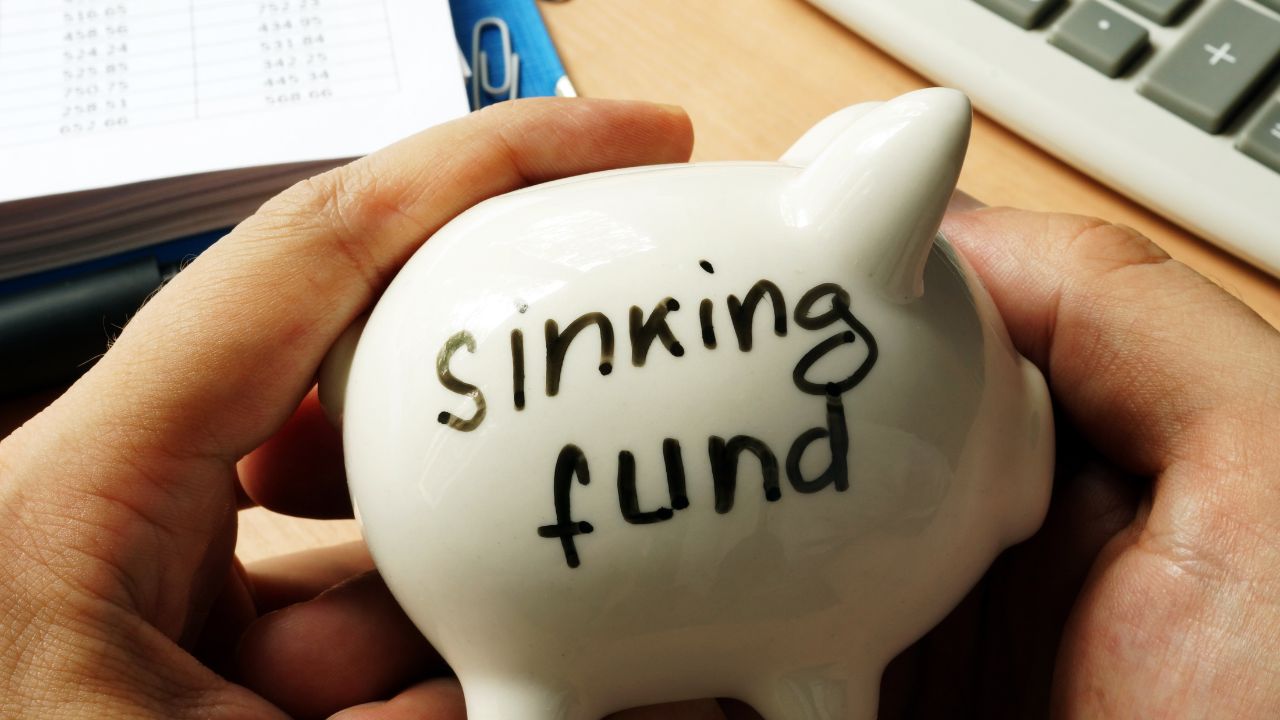
A sinking fund is for something you expect will eventually happen.
Your emergency fund is there for the bigger, genuinely unexpected stuff.
If your car needs routine maintenance, that's something you can plan for.
If the transmission suddenly dies and costs thousands, your emergency fund may have to step in.
The more of those predictable expenses you prepare for separately, the less often you have to raid your emergency savings.
Your challenge this week
Think back over the last year.
What expenses made you say:
“Where am I supposed to get the money for this?”
Write down three.
Then choose one and start a sinking fund for it.
Don't worry about having the perfect amount.
Don't worry about funding everything overnight.
Just start making tomorrow's “unexpected” expense a little less unexpected.
Because financial stability isn't about making sure nothing ever goes wrong.
It's about being better prepared when normal life inevitably gets expensive.
What expense always seems to sneak up on you? Hit reply and tell us.
Want Help Finding Extra Money Fast?
If you’re ready to take this a step further, we’ve put together a free workshop:
Find Your First $100 (or more) – FAST!
It walks you through simple, realistic ways to free up cash without flipping your entire life upside down.



Responses